Losing a tooth doesn’t just leave a visible gap in your smile—it also begins a hidden process beneath the surface.
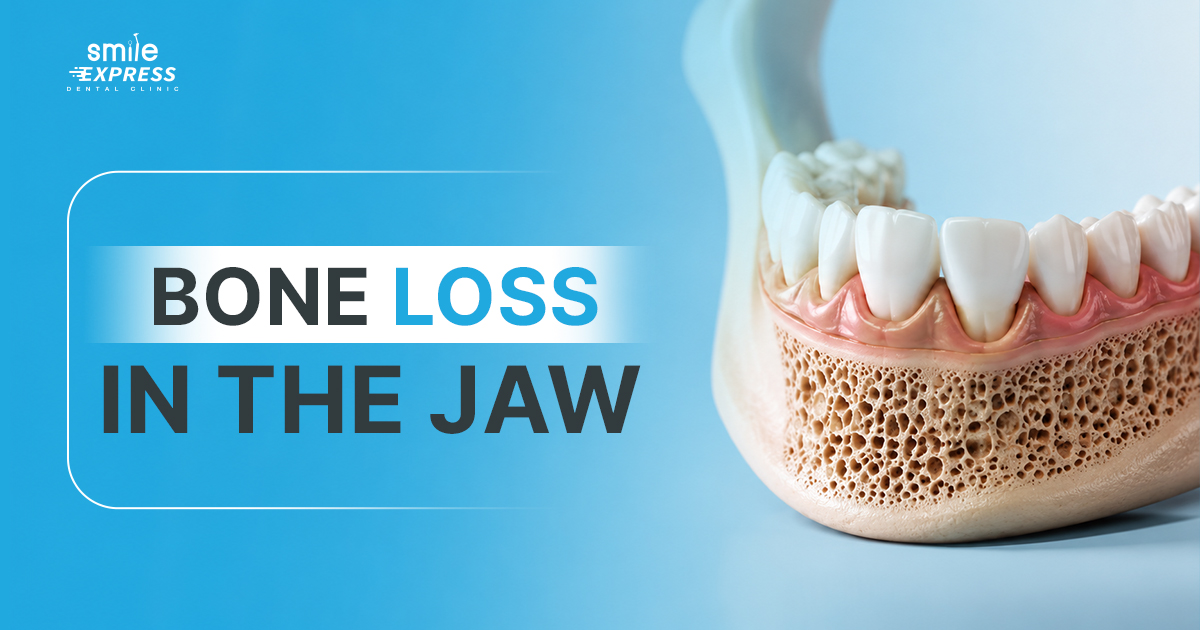
After a tooth is removed or lost, the jawbone in that area no longer receives the natural stimulation provided by the tooth root. As a result, the bone gradually begins to shrink, a process known as jaw bone loss or bone resorption.
Many patients are unaware this is happening because bone loss develops slowly and often without pain. However, over time it can affect facial appearance, chewing ability, and the amount of bone available to support future dental implants.
Understanding why bone loss occurs and addressing it early is essential for anyone considering dental implants, especially patients planning treatment abroad.
What Is Jaw Bone Loss?
Your jawbone is living tissue that continuously adapts to the forces placed upon it.
Every time you chew, pressure is transmitted through the roots of your teeth into the surrounding bone. This natural stimulation helps maintain bone density and keeps the jaw healthy.
When a tooth is lost, this stimulation stops.
Without the tooth root, the body gradually begins to absorb the unused bone through a natural process called bone resorption.
As bone resorption continues:
- Bone height gradually decreases.
- Bone width becomes narrower.
- The jaw loses volume over time.
- Future implant treatment may become more challenging.
Bone loss usually begins soon after tooth extraction and continues gradually if the missing tooth is not replaced.
Why Does Bone Loss Happen After Tooth Loss?
Many people assume the jawbone remains unchanged after losing a tooth.
In reality, the bone depends on continuous stimulation from the tooth root to maintain its shape and density.
Once that stimulation disappears, the body naturally remodels the area by removing bone that is no longer being used.
This process is entirely normal, but its severity varies from one person to another.
Several factors can influence how quickly bone loss progresses, including:
- Time since tooth loss
- Individual healing response
- Smoking
- Gum disease
- Trauma
- General health conditions
Research has shown that significant bone loss can occur during the first year after tooth extraction, with gradual changes continuing over the following years.
| Factor | Effect on the Jawbone |
|---|---|
| Tooth extraction | Bone stimulation stops |
| Bone resorption | Jawbone gradually shrinks |
| Time | More bone volume is lost if the tooth is not replaced |
| Smoking or gum disease | May accelerate bone loss |
The earlier a missing tooth is evaluated, the greater the opportunity to preserve healthy bone.
Signs and Symptoms of Jaw Bone Loss
Bone loss is often called a “silent condition” because it usually develops without pain.
Many patients only become aware of the problem after noticing changes in their appearance or being told they have insufficient bone for dental implants.
Common signs include:
| Symptom | What It May Indicate |
|---|---|
| Sunken appearance around the mouth | Loss of jawbone support |
| Loose dentures | Reduced bone volume |
| Difficulty chewing | Changes in bite support |
| Shifting teeth | Bone loss affecting neighbouring teeth |
| Facial aging | Reduced lower facial height and lip support |
Because these changes occur gradually, clinical examination and CBCT 3D imaging are often required to accurately assess the amount of remaining bone before treatment planning begins.
Why Bone Loss Matters for Dental Implants
Dental implants rely on healthy jawbone for long-term stability.
The implant functions as an artificial tooth root, meaning it must be securely anchored within the surrounding bone.
When bone volume becomes insufficient, several challenges may arise.
These include:
- Reduced implant stability
- Limited implant positioning options
- Increased surgical complexity
- Higher risk of mechanical overload
- Greater likelihood of additional bone augmentation procedures
For this reason, evaluating bone quality and quantity is one of the most important steps before dental implant treatment.
Modern CBCT 3D imaging allows dentists to assess bone volume accurately, helping determine whether implant placement can proceed immediately or whether additional procedures such as bone grafting may be recommended.
When Is Bone Grafting Needed?
Not every patient with jaw bone loss requires bone grafting.
However, when there is insufficient bone volume to support a dental implant safely, your dentist may recommend rebuilding the bone before implant placement.
Bone grafting increases the height or width of the jawbone, creating a stronger foundation for long-term implant stability.
Depending on your individual case, grafting materials may include:
- Synthetic bone substitutes
- Processed donor bone
- Your own natural bone (autogenous bone)
Over time, the graft integrates with your existing jawbone, gradually creating enough bone to support a dental implant.
The healing period varies depending on the amount of bone reconstruction required and the complexity of the procedure.
Can Jaw Bone Loss Be Prevented?
Although some degree of bone remodelling is a natural response after tooth loss, early intervention can help reduce the amount of bone that is lost.
Several preventive measures may help preserve the jawbone.
These include:
- Replacing missing teeth promptly with dental implants when appropriate.
- Performing socket preservation grafting immediately after tooth extraction.
- Maintaining good oral hygiene to reduce the risk of periodontal disease.
- Attending regular dental examinations for early diagnosis.
- Treating gum disease before significant bone destruction occurs.
Taking action early often allows for simpler treatment and reduces the likelihood of requiring extensive bone reconstruction later.
Frequently Asked Questions
What causes jaw bone loss after tooth extraction?
Jaw bone loss occurs because the bone no longer receives stimulation from the tooth root after a tooth is removed. Without this stimulation, the body gradually resorbs the unused bone over time.
Can I still get dental implants if I have jaw bone loss?
In many cases, yes. Although bone loss can make implant placement more challenging, modern techniques such as bone grafting, sinus lift surgery, and careful digital treatment planning often allow patients to receive dental implants successfully.
Do all patients with bone loss need bone grafting?
No. Whether bone grafting is necessary depends on the amount of remaining bone, the location of the missing tooth, and the type of implant treatment planned.
A CBCT scan is usually required to determine whether additional bone reconstruction is needed.
Book an Online Consultation
Concerned about jaw bone loss or wondering whether you have enough bone for dental implants?
Our experienced implant dentists can assess your oral health using digital X-rays and CBCT 3D imaging to determine whether you have sufficient bone for implant placement or if additional procedures, such as bone grafting or sinus lift surgery, may be recommended.
We’ll provide a personalised treatment plan, explain your available options, and help you understand the expected treatment timeline before you travel. Book a consultation Today : https://www.smileexpressdental.com/contact-us/