Dental implants are one of the most reliable and long-lasting solutions for replacing missing teeth. They are designed to restore your smile, improve chewing ability, and support long-term oral health. However, while dental implants are highly durable, they are not maintenance-free.
One of the most common misconceptions is that dental implants can simply be placed and forgotten. Although implants cannot develop cavities like natural teeth, the surrounding gums and supporting bone still require proper care. Without good oral hygiene and regular dental check-ups, complications such as gum inflammation or peri-implantitis may develop, potentially affecting the long-term success of your treatment.
The good news is that maintaining dental implants is straightforward. With a consistent home care routine, healthy lifestyle habits, and professional maintenance, dental implants can continue to function successfully for decades.
In this guide, we’ll explain how to care for dental implants, recognise early warning signs of potential problems, and protect your investment for years to come.
Why Dental Implant Maintenance Matters
Dental implants are designed to withstand everyday chewing forces and can last for many years with proper care. However, successful implant treatment depends not only on the implant itself but also on the health of the surrounding gums and jawbone.
Unlike natural teeth, dental implants cannot develop tooth decay. However, bacterial plaque can still accumulate around the implant and cause inflammation of the surrounding soft tissues. If left untreated, this inflammation may progress to more serious conditions that affect the bone supporting the implant.
Regular brushing, flossing, professional maintenance, and routine dental examinations all help reduce the risk of complications and support long-term implant success.
It’s important to remember that caring for dental implants is very similar to caring for your natural teeth—the healthier your gums remain, the healthier your implants will be.
Daily Home Care Routine for Dental Implants
Looking after your dental implants doesn’t have to be complicated. A simple but consistent oral hygiene routine can significantly reduce the risk of gum inflammation and help your implants remain healthy for many years.
The goal is to remove plaque and food debris before they can irritate the surrounding gum tissue.
Brush Twice a Day
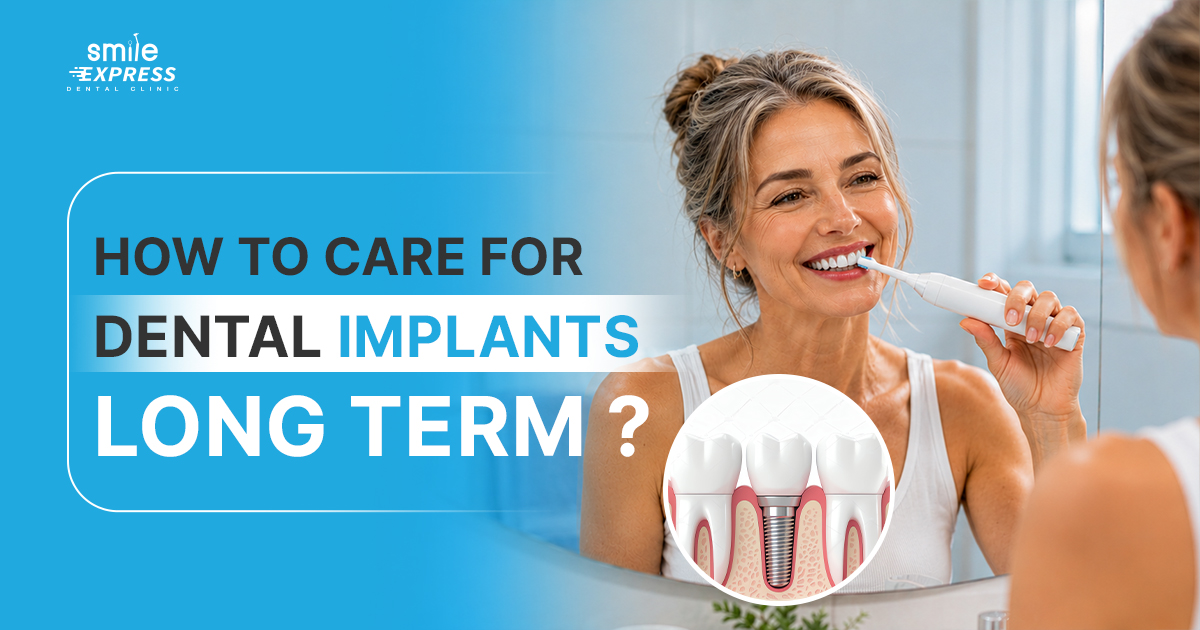
Brush your teeth at least twice a day using a soft-bristled toothbrush and a low-abrasive toothpaste.
When brushing around dental implants, pay special attention to the gumline where plaque tends to accumulate. Areas around implant-supported bridges and the back surfaces of teeth are also commonly missed, so take your time and clean these areas thoroughly.
Gentle brushing is recommended. Brushing too aggressively may irritate the gums without providing any additional cleaning benefits.
Clean Between Your Teeth Every Day
A toothbrush alone cannot clean the spaces between teeth or underneath implant restorations.
Daily interdental cleaning helps remove plaque and trapped food before bacteria have a chance to cause inflammation.
Several cleaning aids can be used, including:
- Implant-specific dental floss
- Interdental brushes
- Water flossers
For patients with implant-supported bridges or full-arch restorations, a water flosser is often one of the most effective tools for cleaning beneath the prosthesis where conventional floss may be difficult to use.
Keeping these areas clean greatly reduces the risk of infection around the implant.
Wear a Night Guard if You Grind Your Teeth
If you clench or grind your teeth while sleeping (bruxism), your dentist may recommend wearing a custom-made night guard.
Grinding places excessive pressure on:
- Implant crowns
- Abutment screws
- Supporting jawbone
Unlike natural teeth, implants do not have a periodontal ligament that helps absorb biting forces. A night guard helps distribute these forces more evenly, reducing unnecessary stress on the implant restoration and supporting structures.
Warning Signs of Implant Problems
Dental implant complications often begin with subtle symptoms.
Recognising these warning signs early allows your dentist to provide treatment before more serious problems develop.
Contact your dentist if you notice:
- Bleeding around the implant
- Swollen or tender gums
- Persistent bad taste or unpleasant odour
- Pain when chewing
- A loose implant crown
- Gum recession around the implant
- Increased sensitivity or discomfort
Early inflammation around dental implants is often reversible when treated promptly.
Understanding Peri-Implantitis
One of the most significant long-term risks for dental implants is peri-implantitis.
Peri-implantitis is an inflammatory condition that affects both the gums and the bone surrounding a dental implant. As the infection progresses, it can gradually destroy the bone supporting the implant, increasing the risk of implant failure if left untreated.
Several factors can increase the likelihood of developing peri-implantitis, including:
- Poor oral hygiene
- Smoking
- A history of periodontal (gum) disease
- Irregular dental check-ups
- Inadequate professional maintenance
Unlike natural teeth, dental implants do not have a periodontal ligament. This means inflammation may spread differently around implants, making early detection and prevention especially important.
Fortunately, maintaining excellent oral hygiene and attending regular professional examinations remain the most effective ways to minimise this risk.
Caring for Full-Arch Dental Implants
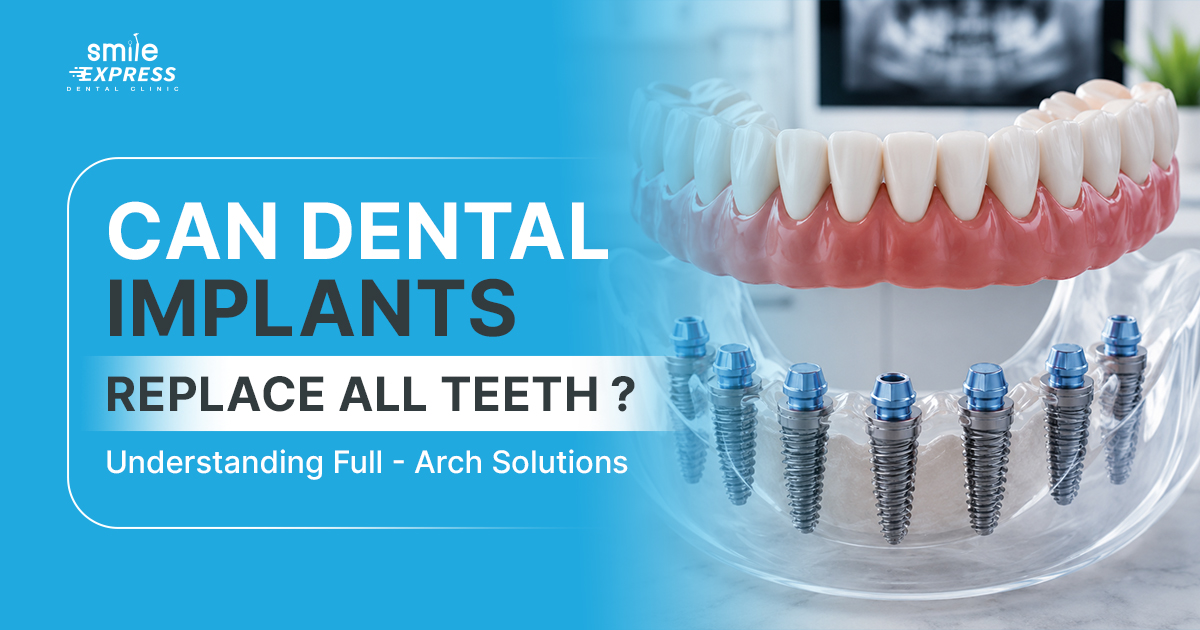
Patients with All-on-4®, All-on-6®, or other full-arch implant restorations require additional attention during their daily cleaning routine.
Although these restorations are fixed securely in place, plaque and food debris can still accumulate around the implants and underneath the bridge.
Daily care should include:
- Brushing above and around the bridge
- Cleaning underneath the prosthesis
- Using a water flosser beneath the restoration
- Attending regular professional maintenance appointments
Because access beneath a full-arch bridge is more limited than around individual teeth, using the correct cleaning techniques is essential.
With proper maintenance, full-arch dental implants can continue to provide excellent function, comfort, and aesthetics for many years.
Lifestyle Habits That Affect Implant Longevity
Daily oral hygiene is essential, but your lifestyle habits also play a major role in determining how long your dental implants remain healthy.
Making a few simple adjustments can help protect your implants, preserve the surrounding bone, and reduce the risk of future complications.
Avoid Smoking
Smoking is one of the biggest risk factors for dental implant complications.
Nicotine reduces blood flow to the gums, making it more difficult for your body to heal and fight infection. Smokers are also more likely to develop peri-implantitis, which can lead to bone loss around the implant.
If you smoke, reducing or quitting can significantly improve the long-term success of your dental implants and benefit your overall oral health.
Be Careful with Hard Foods
Although dental implants are designed to withstand normal chewing forces, they should not be used as tools.
Avoid habits such as:
- Chewing ice cubes
- Biting hard nuts
- Opening packages with your teeth
- Biting pens or fingernails
- Chewing very sticky foods that place excessive stress on restorations
These habits may damage implant crowns or increase stress on the supporting components.
Maintain Your Overall Health
Your general health also influences the long-term success of dental implants.
Medical conditions such as uncontrolled diabetes may slow healing and increase the risk of infection around the implant.
Managing your overall health through regular medical care, healthy eating, and good oral hygiene supports both your natural teeth and your dental implants.
Protect Your Investment with Expert Implant Care
Receiving dental implants is only the first step toward restoring your smile. Long-term success depends on ongoing care, regular maintenance, and professional follow-up.
At Smile Express Dental Clinic, our experienced implant team provides comprehensive aftercare guidance to help patients keep their dental implants healthy and functioning for years to come. Whether you’ve received a single implant, an implant bridge, or a full-arch restoration, we’ll provide personalised recommendations tailored to your oral health and lifestyle.
If you’re considering dental implants or would like professional advice on maintaining your existing implants, we’re here to help.
Book a consultation with our experienced team to receive a personalised assessment and long-term implant care plan designed to protect your smile for years to come: : https://www.smileexpressdental.com/contact-us/